

Travel Tips
- Home
- Travel Tips
1. Health & Safety
Vaccinations such as yellow fever (especially for travelers from endemic countries) and routine immunizations are recommended. Malaria prophylaxis is advised for certain regions, particularly in the south and lowlands. Drink bottled or boiled water, avoid ice from unknown sources, and eat freshly cooked food to prevent stomach issues.
2. Most Popular Sites:
Ethiopia offers several untouched historical and natural sites.
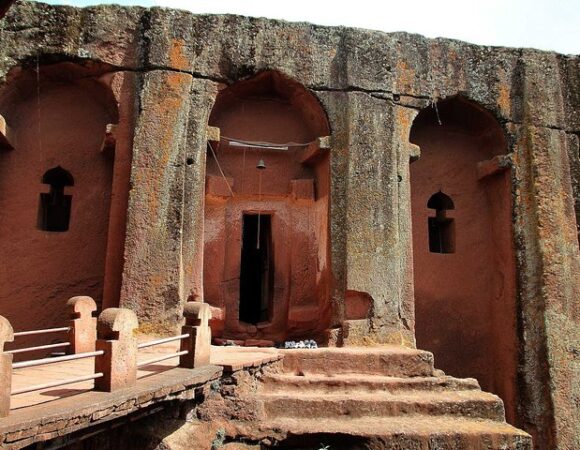
Every site has got its uniqueness depending upon the interest of the tourist. However, the most famous sight is perhaps Lalibela, an ancient rock-hewn church and Axum steles.
Other famous areas include: Lake Tana in Bahr Dar, the ancient cities of Gondar and Axum, as well as the southeastern area of the peoples of the Omo valley.
The Jimma area is interesting for those who wish to know the origin of Coffee.
3. Visa and Entry Requirements
Most travelers need a visa to enter Ethiopia. Tourist visas can be obtained online through the official e-visa portal or on arrival at Addis Ababa Bole International Airport. Ensure your passport is valid for at least six months beyond your travel dates. Keep a copy of your visa and passport on you at all times.
4. Health Requirement:
Visitors must have vaccination certificates against Yellow Fever. Any person who visited or transited cholera-infected countries within six days before arrival, is required to have a vaccination certificate against Cholera. Malaria occurs in most parts of the country, especially the lowland. Visitors should take preventive dose against malaria, before, during and after the tour.
5. Calendar and Time:
Ethiopia follows the Julian calendar. This calendar has 12 months of 30 days, and a 13th month of five or six days. New Year starts on September 11. The Ethiopian calendar is behind the Gregorian calendar by 7 years and 8 months.
Ethiopia is in the GMT+3 time zone. Days begin at sunrise.
12am = dawn, 6pm = noon, 12pm = dusk, (in Ethiopian time).
6. Currency & Payments
The Ethiopian Birr (ETB) is the local currency. ATMs are widely available in major cities but can be scarce in remote areas. Credit cards are accepted in select hotels and restaurants, but cash is essential for markets, small towns, and tipping guides. Always carry smaller notes for convenience.
7. Food & Drink
Ethiopian cuisine is diverse and flavorful. Injera (sourdough flatbread) is a staple, often served with stews and vegetables. Coffee ceremonies are an essential cultural experience. Travelers with dietary restrictions should clarify ingredients, as many dishes include spices, butter, or meat. chicken stew, the pieces of meat are eaten last, after one has filled up on injera and sauce.
Vegetarians should try “fasting food”, what Orthodox Christians eat during lent and other fasting periods, and which is free of meat and animal products. For those who find Ethiopian food too spicy, in Addis Ababa there are how Greek, Chinese, Armenian, Indian, Hong Kong, Arabic, French and Italian restaurants. Outside Addis Ababa, European style food, particularly spaghetti (pasta), is available in all the large hotels.
8. Transport & Getting Around
Domestic flights are common for long distances, as road travel can be time-consuming due to mountainous terrain. In cities, taxis and ride-sharing apps are available, while long-distance buses connect towns. For rural exploration, private 4×4 vehicles and guided tours are recommended for safety and convenience.
9. Clothing:
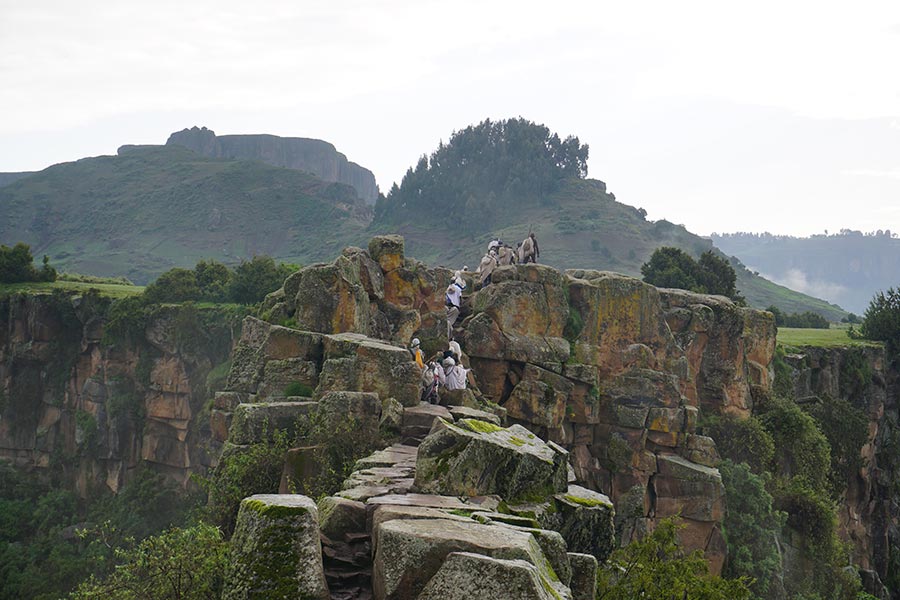
Visitors should take light, summer clothes for the day time and something warm for the evenings, like a sweater or jacket. The temperature drops quite rapidly towards sunset. Simien or Bale Mountains trekkers should bring warm clothes and water proofs for un seasonal rains. Shoes must always be removed before entering churches and mosques.
10. Photography:
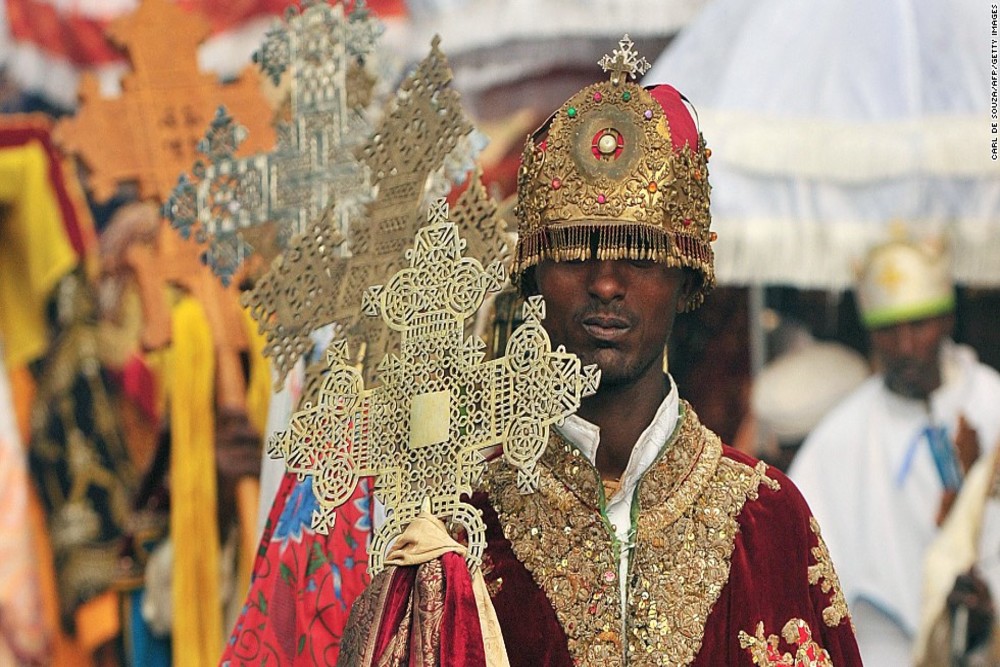
In the smaller towns the locals may expect a small payment in return for being photographed. Video photography in famous tourist attractions occasionally carries a small charge. Photography may be prohibited on the bridge and near military camps.
11. Cameras:
Ethiopian customs authority does not allow tourists to come with professional cameras. Special filming permit is required for professional cameras.
Video Cameras with mark HD (high definition), VHD, MINI DIVI, 3CCD, are generally categorized as professional cameras.
Each tourist is allowed to come with only one Photo camera.
12. Tipping: In most hotels and restaurants, a 10 per cent service charge is added to the bill. Tipping is a fairly frequent custom, but amounts are small.
